Quick answer
Kittens get the FVRCP vaccine starting at 6 to 8 weeks old, repeated every 3 to 4 weeks until 16 to 20 weeks. They also need a rabies shot (often around 12 to 16 weeks, depending on local law) and a two-dose FeLV series. A booster comes about a year later. Current AAHA/AAFP guidelines call all of these core vaccines for kittens, including indoor ones.
Vaccines are the part of kitten care that confuses almost everyone. The names are alphabet soup, the schedule depends on age, and your shelter has probably already started the series before you even met your kitten.
Here’s the whole thing in plain English, so you can walk into your first vet visit knowing what to expect.
The core vaccines, explained
The 2020 AAHA/AAFP Feline Vaccination Guidelines, written by a task force of veterinary experts, list these as core vaccines for pet cats. Core means every cat should get them.
| Vaccine | What it protects against | Who needs it |
|---|---|---|
| FVRCP (combo shot) | Feline herpesvirus, calicivirus, and panleukopenia (feline distemper) | Every cat |
| Rabies | Rabies, which is fatal and can spread to people | Every cat, and required by law in most places |
| FeLV | Feline leukemia virus | All kittens under 1 year old, then based on risk as adults |
A sample kitten vaccine schedule
Every vet tailors the plan to your kitten, but most schedules look something like this.
| Age | Typical vaccines |
|---|---|
| 6 to 8 weeks | FVRCP #1 |
| 9 to 12 weeks | FVRCP #2, FeLV test, FeLV #1 |
| 12 to 16 weeks | FVRCP #3, FeLV #2, rabies (age depends on vaccine label and local law) |
| 16 to 20 weeks | Final FVRCP if needed |
| 6 months to 1 year | First boosters, as your vet recommends |
| Adult | FVRCP often every 3 years; rabies every 1 to 3 years depending on vaccine and law |
Why kittens need so many rounds
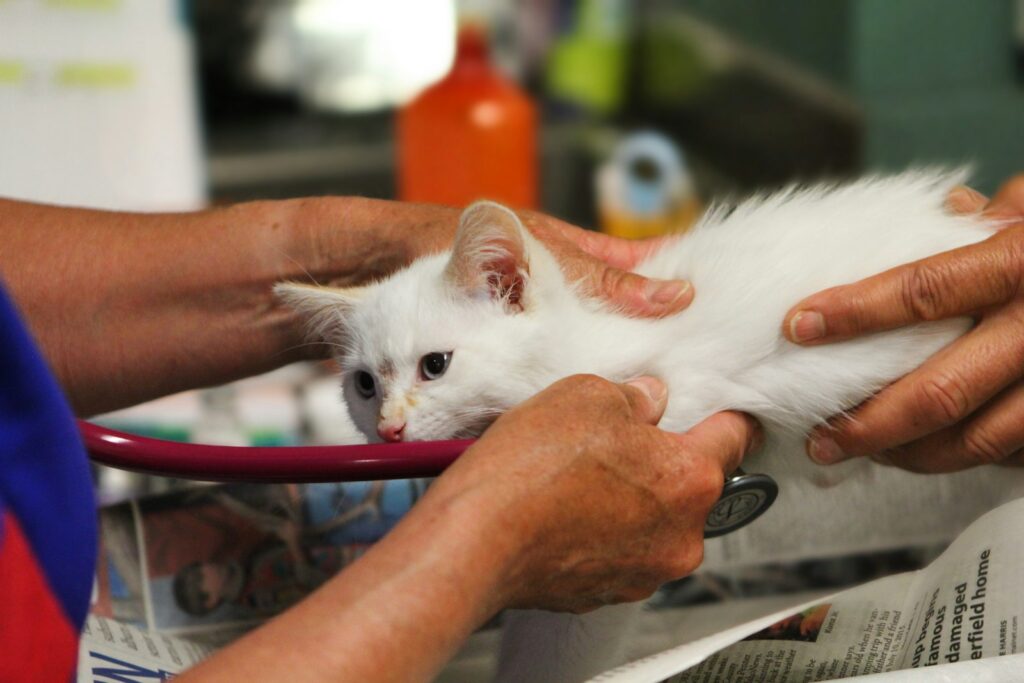
Kittens get temporary protection from their mother’s antibodies. The tricky part is that those antibodies can also block a vaccine from working, and nobody knows exactly when they fade for any one kitten. Repeating the FVRCP shot every few weeks until 16 to 20 weeks old makes sure at least one dose “takes” once mom’s protection wears off.
If your kitten came from a shelter
- Ask for the records with exact dates and vaccine names. You’ll need them at your first vet visit.
- Don’t restart from scratch. Your vet will pick up where the shelter left off.
- Check the FeLV/FIV test result. Many shelters test before adoption.
- Watch the calendar. If a booster was due a week after adoption, book that vet visit fast.
What to expect after a vaccine
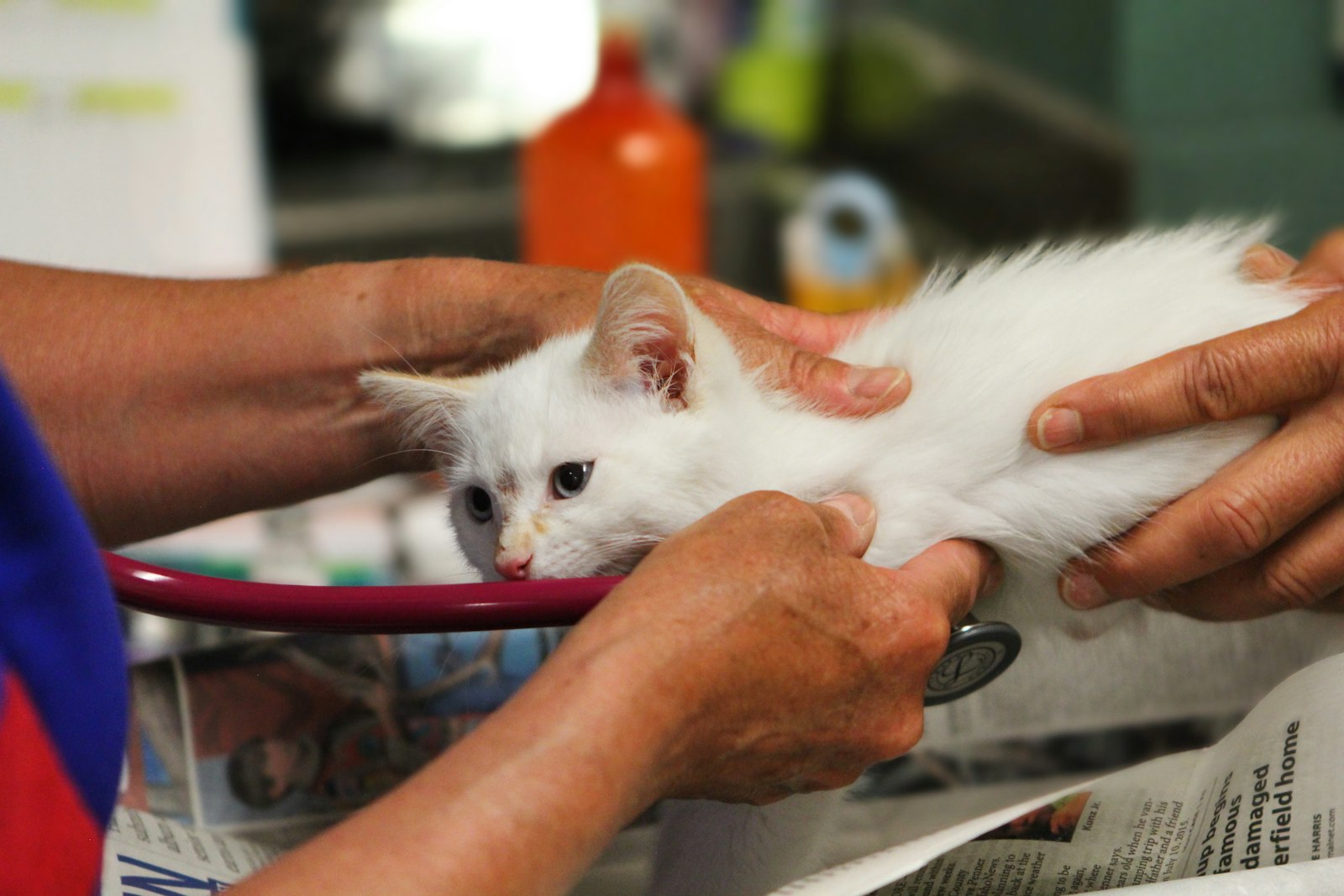
Most kittens are completely fine. Some are a little sleepy, a bit less hungry, or have a small bump where the shot went in for a day or two. That’s normal.
Call your vet right away if you notice vomiting, diarrhea, facial swelling, hives, trouble breathing, or collapse. Those reactions are rare, but they need attention quickly.
Questions to ask at the first vet visit
- Which vaccines does my kitten still need, and on what dates?
- Do you recommend any non-core vaccines for our lifestyle?
- When should we schedule spay or neuter, if it isn’t done?
- What parasite prevention do you recommend?
- How much and how often should my kitten eat right now?
Budgeting for vet visits?
Our kitten cost breakdown covers what first-year vet care usually costs, and our new kitten checklist has the paperwork to grab from your shelter.
Frequently asked questions
When does a kitten get its first shots?
The first FVRCP vaccine can be given as early as 6 weeks old. Most shelters start the series before adoption, so check your kitten’s records to see where they are in the schedule.
How many rounds of shots does a kitten need?
Usually three to four rounds of FVRCP, given every 3 to 4 weeks until your kitten is 16 to 20 weeks old, plus a rabies shot and a two-dose FeLV series. Your vet will set the exact plan.
Does an indoor kitten need vaccines?
Yes. Current guidelines treat FVRCP and rabies as core vaccines for every cat, and FeLV as core for all kittens under 1 year old, regardless of whether they live indoors. Viruses can come in on shoes and clothes, and indoor cats sometimes slip outside.
What does FVRCP stand for?
It protects against three diseases: feline viral rhinotracheitis (a herpesvirus), calicivirus, and panleukopenia (sometimes called feline distemper).
Is it normal for a kitten to be sleepy after shots?
Mild sleepiness, a small lump at the injection site, or a slightly lower appetite for a day can happen. Call your vet right away if you see vomiting, facial swelling, trouble breathing, or collapse.
This guide is general information to help you prepare. It isn’t veterinary advice. Your vet and your shelter or rescue know your cat best.